

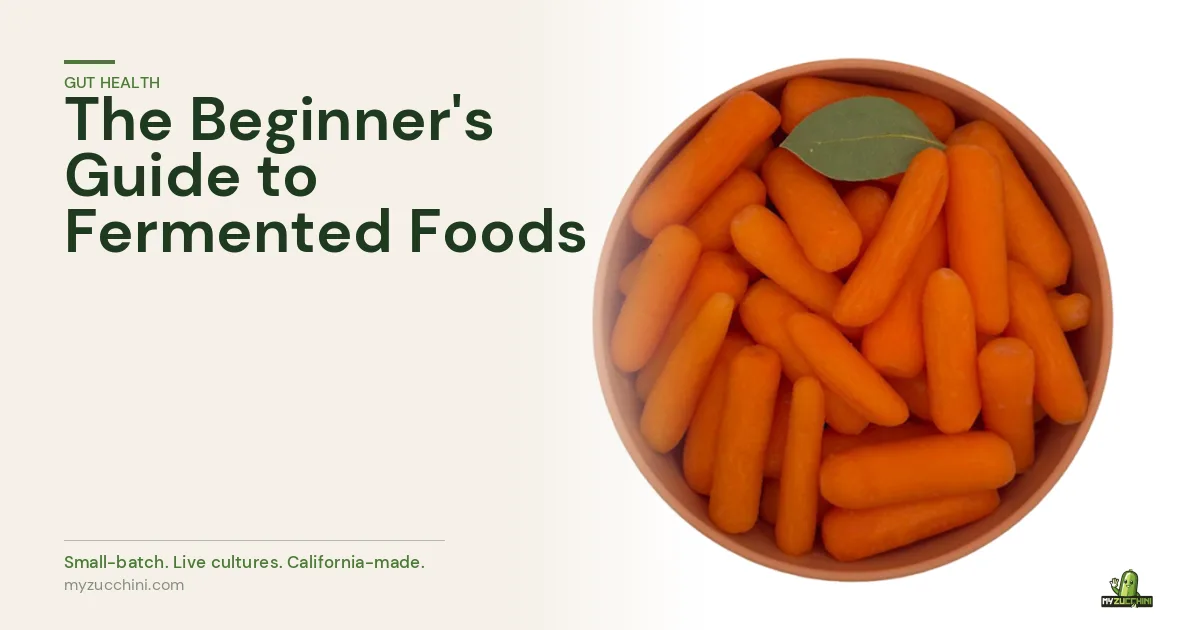
Fermented foods have moved from specialty health stores to mainstream grocery shelves in just a few years. The shelves look well-stocked. The options are overwhelming. And most of the products labeled “fermented” aren’t actually fermented at all. This guide is for anyone starting from scratch — what to buy, what to ignore, and what to realistically expect.
What Counts as a Fermented Food?
A fermented food is any food that has been transformed by the metabolic activity of microorganisms — typically bacteria or yeast. The microorganisms consume sugars and produce acids, alcohols, and other compounds that preserve the food, change its flavor, and in many cases, fill it with live beneficial bacteria (probiotics).
Not all fermented foods contain live cultures in the final product. Bread is fermented but baked (killing the cultures). Wine is fermented but contains alcohol that limits bacterial survival. For gut health purposes, you want live-culture fermented foods — those that still contain active beneficial bacteria when you eat them.
The best live-culture fermented foods for beginners are:
- Fermented vegetables (cucumbers, cabbage, asparagus, tomatoes) — mild flavor, versatile, easy to add to meals
- Plain live-culture yogurt — familiar, widely available, a good entry point
- Kefir — a fermented milk drink, more diverse in cultures than yogurt
- Kombucha — fizzy, flavorful, widely available in California
For maximum probiotic density and diversity, fermented vegetables — especially those made through traditional lacto-fermentation — are the gold standard.
Starting Slow: Why It Matters
This is the piece of advice most people skip and then regret. If your gut microbiome is not accustomed to large doses of live bacteria, introducing too many too quickly can cause temporary bloating, gas, or loose stools as your microbiome adjusts.
The solution is simple: start with one tablespoon per day for the first one to two weeks, then gradually increase. Most people can comfortably eat two to three tablespoons per day by week three, with no digestive discomfort.
If you experience symptoms, reduce the amount and increase more slowly. Discomfort is a signal to go slower, not to stop entirely.
How to Buy the Real Thing
Most products that call themselves fermented are not. The fastest way to tell: flip the jar and read the ingredient list. Genuine fermented vegetables contain vegetables, water, salt, and optional spices. If vinegar appears anywhere, put it back — it’s an acid-pickled product with no live cultures.
Beyond the ingredient list, real fermented vegetables require refrigeration (they’re alive and continue fermenting), and their brine is cloudy rather than clear. For a deeper breakdown on reading labels across different fermented vegetable types, see our guide to Fermented vs. Pickled Foods.
How to Store and Use Fermented Vegetables
Storage: Always refrigerate. Live fermented vegetables continue fermenting slowly in the refrigerator — which is desirable and normal. Over time, the flavor will deepen and the brine may become more sour. Most fermented vegetables keep for three to six months in the refrigerator if kept submerged in brine.
Using them: The golden rule is never cook live fermented vegetables. Add them cold or at room temperature, after your food is plated. Heat above 115°F destroys the beneficial bacteria. They work as condiments, sides, toppings, and mix-ins — not as cooking ingredients.
What to Expect in the First Month
Gut microbiome changes from dietary interventions don’t happen overnight. Here’s a realistic timeline:
- Week 1–2: Your gut adjusts. Some mild bloating or increased gas is normal as new bacterial species establish themselves. This typically resolves by week two.
- Week 2–4: Many people notice improved regularity and less post-meal bloating. Digestion feels smoother.
- Month 2–3: Research suggests microbiome diversity measurably improves at this point with consistent daily consumption. Some people notice improvements in energy, skin clarity, and mood — though these effects vary significantly between individuals.
The key word is consistent. One serving per day, every day, produces better outcomes than occasional large doses.
Your First Purchase: What to Try
If you’re new to fermented vegetables, start with fermented cucumbers. They have the most familiar flavor profile — similar to the dill pickles most people already enjoy, but tangier, more complex, and alive with beneficial bacteria.
Once you’re comfortable with fermented cucumbers, add fermented hot cabbage. The spice and complexity take some getting used to, but most people find it addictive within a week.
MyZucchini makes small-batch, traditionally fermented vegetables in Sacramento, California. Every product is made with California-grown produce, no vinegar, no preservatives, and billions of live cultures. We ship throughout California and offer a complete collection of live-culture fermented vegetables for every taste.
Start your fermented foods journey with MyZucchini →
Questions? Visit our Gut Health resource page or learn more about how we make our fermented vegetables.
Related Reading
- What Are Probiotics? A Plain-English Guide
- Fermented vs. Pickled: What’s the Difference?
- 7-Day Fermented Foods Meal Plan
Shop MyZucchini Products